Balkan Beers & Brews
Živeli! Dobro pivo! From the classic, refreshing lagers that are a staple in cafes and konobas across Croatia, Serbia, Bosnia & Herzegovina, and Montenegro, to an exciting wave of independent craft breweries experimenting with bold new flavours, the Balkan beer scene is more vibrant than ever.
Whether you're looking for the perfect local brew to cool you down on a hot summer day, curious about the history of brewing in the region, or on the hunt for unique craft beers to seek out, you've come to the right place. Let's pop a cap and explore!
What You'll Find Here: Your Guide to Balkan Brews
Ready to explore the frothy side of the Balkans? In this section, we'll introduce you to the world of Balkan beers. Get ready to discover:
- The Local Staples: Learn about the popular, classic lagers that are the go-to choice for locals and offer a refreshing taste of everyday Balkan life.
- The Craft Beer Scene: Dive into the exciting world of independent breweries pushing boundaries with IPAs, stouts, sours, and more.
- Breweries & Brands: Explore profiles of the passionate brewers and specific beer brands, from the big names to the hidden craft gems.
- Beer & History: Uncover the history of brewing in the region – it goes back further than you might think!
- Perfect Pairings: Get ideas for pairing Balkan beers with delicious local foods – because nothing beats a cold beer with some grilled meat or a hearty pie!
From Monasteries to Megabreweries: A Brief History of Balkan Brewing
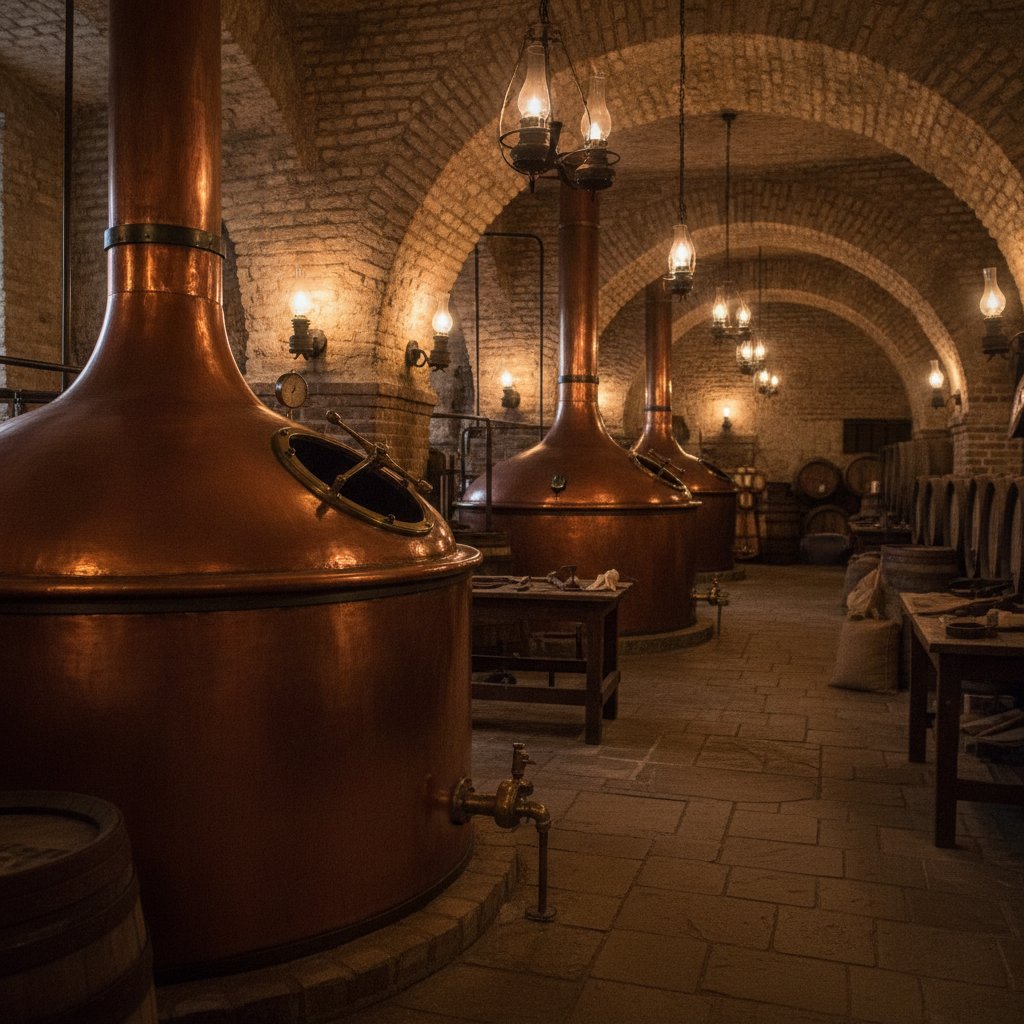
Industrial brewing arrived in the Balkans on the back of empire. Under Austro-Hungarian rule, Habsburg administrators and local investors built the breweries that still anchor the region today — Karlovačka Pivovara in 1854, Zagrebačka Pivovara (home of Ožujsko) in 1892, Sarajevska Pivara in 1864. Further east, in the flatter grain country of Vojvodina, brewing arrived earlier still: the brewery in Pančevo dates to 1722, and Apatinska Pivara — still brewing Jelen Pivo today — followed in 1756, making them among the oldest continuously operating breweries in Europe.
The 20th century brought consolidation under Yugoslavia, then a sharp break: the wars of the 1990s disrupted production across the region, and the privatization that followed handed most of the big historic names to international brewing groups — Heineken took Karlovačko, Molson Coors took Ožujsko, Carlsberg took a major stake in Serbia's market. What's happened since is the more interesting part: a craft beer movement that started in the 2010s and has since spread to all four countries, run by small independent brewers who grew up on the big lagers and wanted to make something different.
A Taste of Diversity: More Than Just Lager
While easy-drinking lagers are undeniably popular, the Balkan beer landscape is surprisingly diverse. You'll find everything from crisp pilsners and Vienna lagers to darker porters, red ales, and a growing variety of hop-forward craft styles. Each country, and often each city, has its local favourites and unique brewing traditions.
| Country | Dominant Style | Leading Brand | Craft Scene |
|---|---|---|---|
| Croatia | Pale lager | Ožujsko, Karlovačko | Thriving — 100+ breweries as of 2022 |
| Serbia | Pale lager | Jelen, Lav | Growing fast — Dogma, Kabinet, Mehanika and others |
| Bosnia & Herzegovina | Lager | Sarajevsko | Emerging — OldbridZ, Goršták, and a dozen more |
| Montenegro | Pale lager | Nikšićko (90%+ market share) | Just beginning — Mammut, Akademija |
How to Choose (and Pour) a Balkan Beer Like a Local
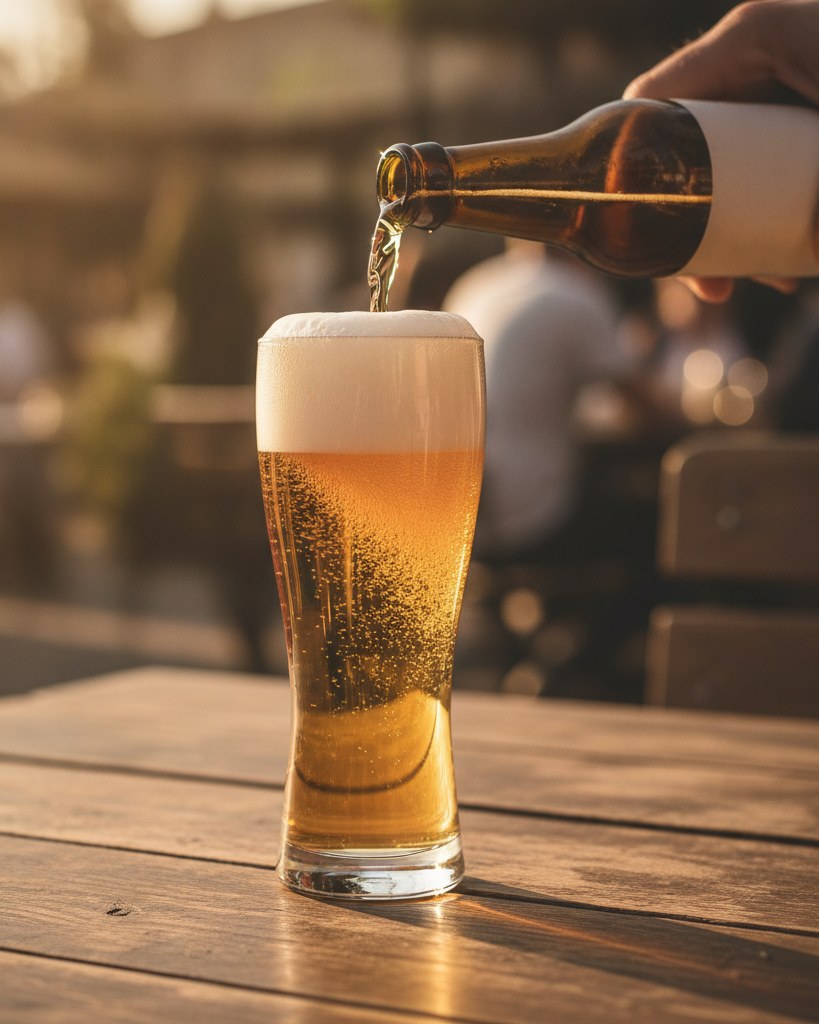
There's no great mystery to drinking well here — mostly it's about temperature and patience. A pale lager wants to be properly cold, poured with intent rather than dumped straight down the middle, which just gives you a glass of foam and flat beer underneath.
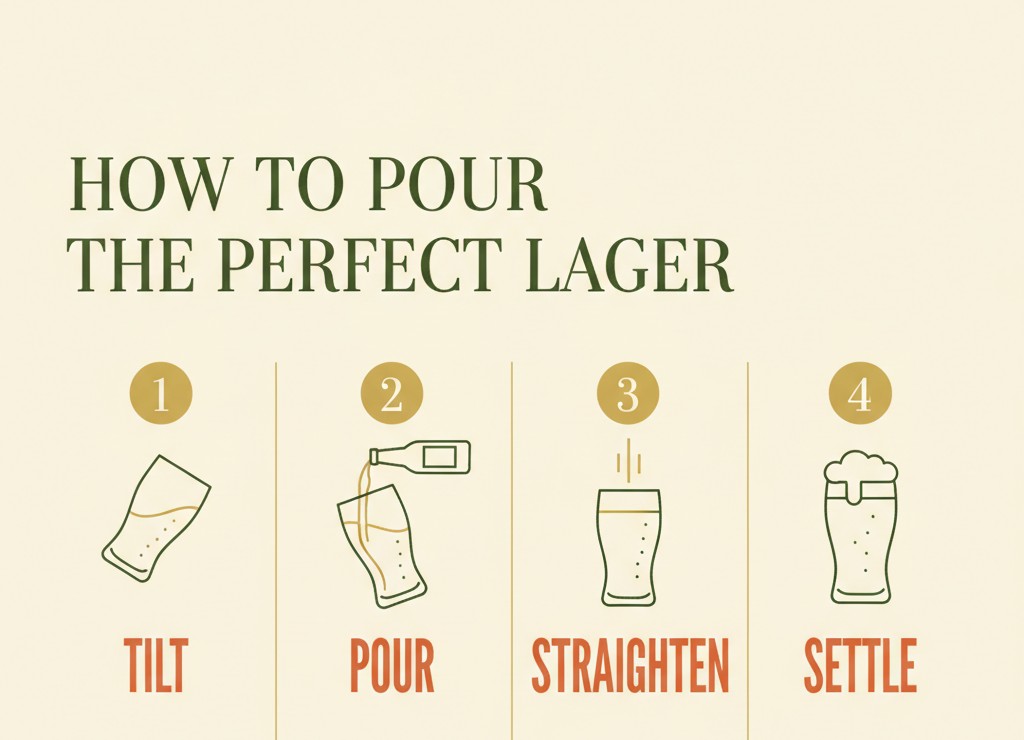
Tilt the glass to about 45 degrees, pour gently down the side rather than into the base, then straighten up as it fills so the last splash builds a proper two-finger head — that foam isn't wasted beer, it's what carries the aroma. And whatever you're drinking, don't reach for it without a toast first: skipping the "Živjeli" or "Živeli" before the first sip is a small breach of hospitality most locals will notice, even if they're too polite to say so.
Beer Festivals & Tourism Across the Region
If you want to see how seriously this region takes its beer, go to a festival. Belgrade Beer Fest takes over Ušće Park every August, drawing crowds north of 500,000 people over five days — one of the largest beer festivals in Southeastern Europe, and a genuine rite of passage for visitors. Karlovac runs its own Dani Piva (Beer Days) tied directly to Karlovačko's hometown pride, and the Vojvodina city of Zrenjanin has held its own Dani Piva since 1986, leaning more traditional with folk music and food competitions alongside the beer. For something smaller and more craft-focused, Novi Sad's Festival Zanatskog Piva is where you'll actually meet the brewers pouring their own small-batch beers.
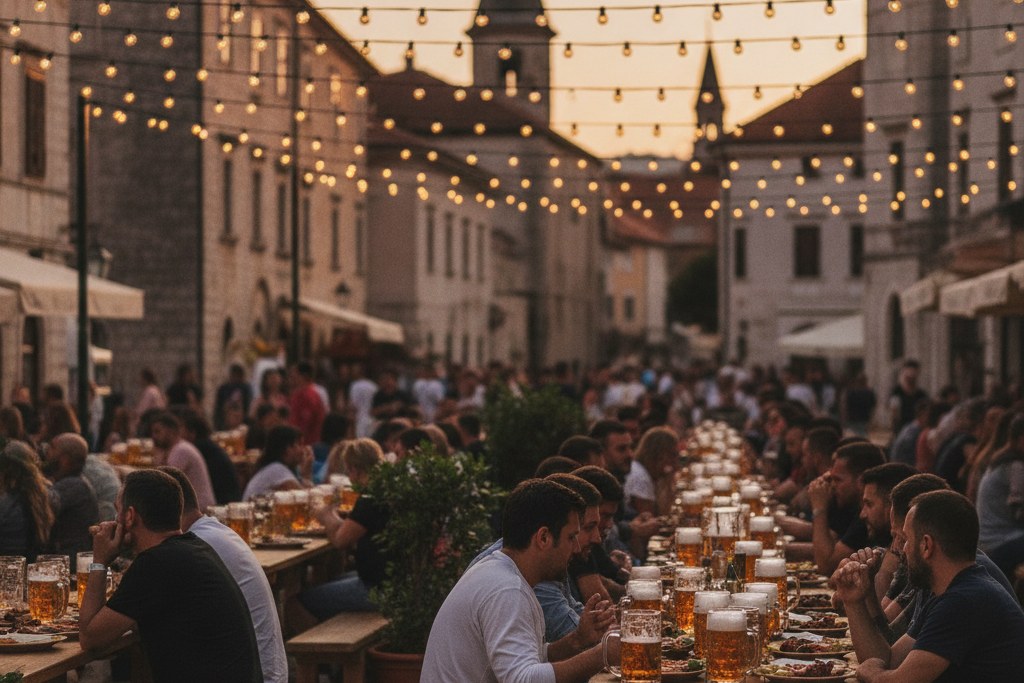
Scenes like this repeat across the region all summer — long communal tables, strangers becoming friends two rounds in, and nobody in a hurry to leave before the string lights come on.
Ready to Explore?
Choose a country below to begin your deep dive into the world of Balkan beers, or browse our featured breweries and brands to find your next pint. Each country page below covers its own local styles, brands, and the breweries actually making them.
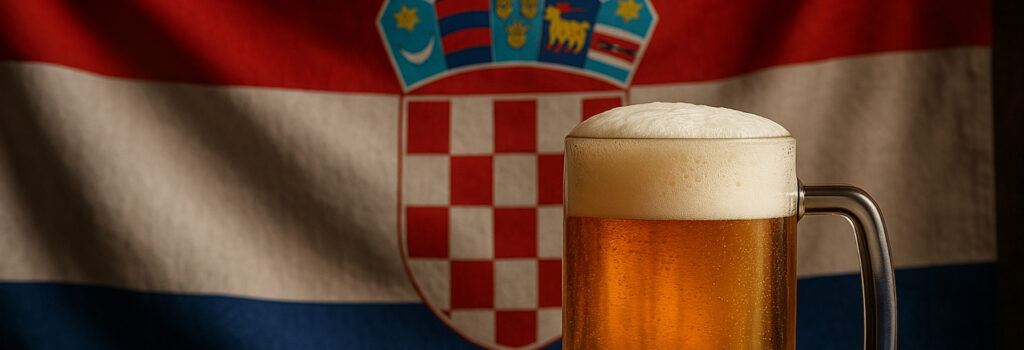
Croatian Beers
Živjeli! A coastal companion and a festival highlight — Croatia is regularly cited among the world's top beer-drinking nations, home to Ožujsko, Karlovačko, and a booming craft scene.
View Profile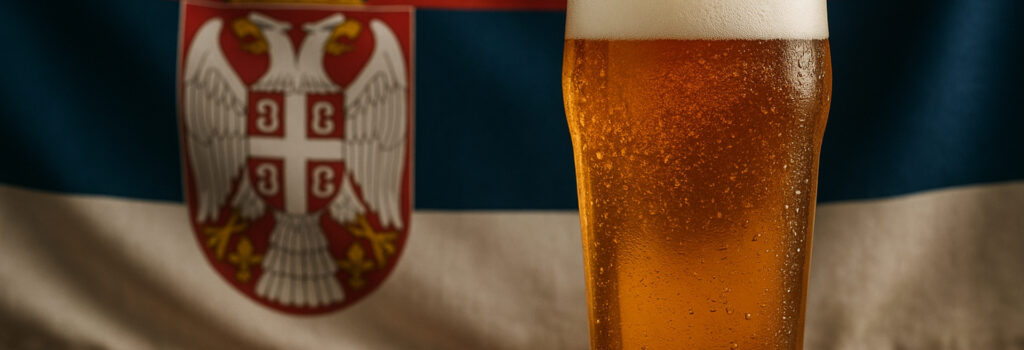
Serbian Beers
A social cornerstone since the days of monastery brewing — Jelen and Lav dominate, while Belgrade Beer Fest draws over 500,000 visitors every August.
View Profile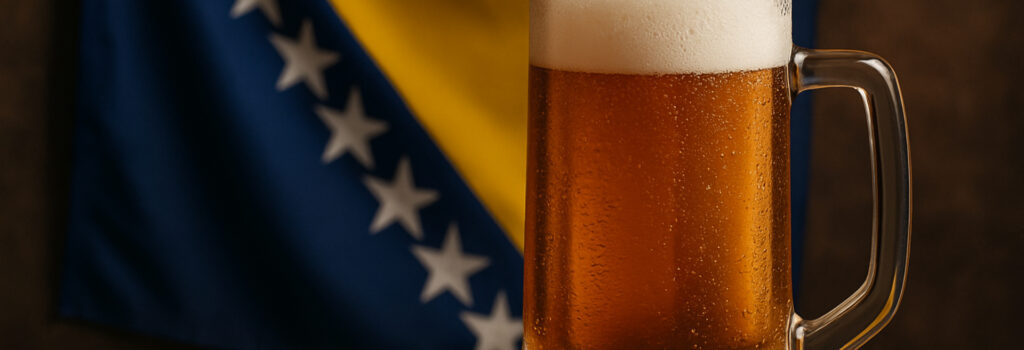
Bosnian Beers
A liquid handshake and a history lesson in one glass — home to Sarajevska Pivara, one of the oldest breweries in the Balkans, founded in 1864.
View Profile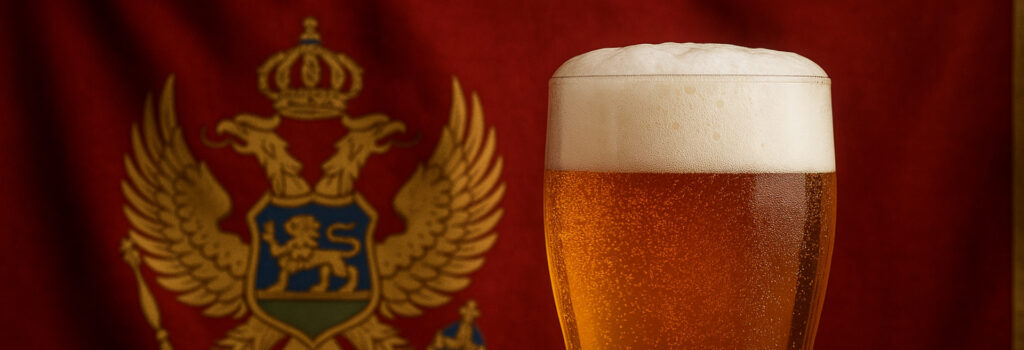
Montenegrin Beer
A mountain refreshment and coastal cool-down — Nikšićko Pivo covers more than 90% of the market, with a craft scene just beginning to emerge.
View ProfileFrequently Asked Questions
What is the most popular beer in the Balkans?
There's no single regional answer — each country has its own dominant lager: Ožujsko in Croatia, Jelen in Serbia, Sarajevsko in Bosnia & Herzegovina, and Nikšićko in Montenegro, which alone holds over 90% of its home market.
Does the Balkans have a craft beer scene?
Yes, and it's growing quickly. Croatia leads with over 100 breweries as of 2022, Serbia's scene is centred on Belgrade and Novi Sad, Bosnia has a dozen-plus independent brewers, and Montenegro's craft movement is the youngest but genuinely underway.
What's the difference between Croatian and Serbian beer?
Both lean heavily on pale lager as the everyday style, but the brands and brewing lineages differ — Croatia's Ožujsko and Karlovačko trace back to Austro-Hungarian-era breweries now owned by Molson Coors and Heineken respectively, while Serbia's Jelen and Lav come from Apatinska Pivara (1756) and Carlsberg Srbija.
What is the biggest beer festival in the Balkans?
Belgrade Beer Fest, held every August at Ušće Park in Serbia, is the largest — regularly drawing over 500,000 visitors across five days, making it one of the biggest beer festivals in Southeastern Europe.
Is Balkan beer strong?
Most of the region's mainstream lagers sit in a fairly standard 4.5–5.4% ABV range, similar to Central European pilsners. Craft breweries push higher with IPAs and imperial styles that can reach 6–8% ABV or more.
Živeli! (Cheers!) Enjoy exploring the hoppy and exciting world of Balkan beers!