Balkan Wines: A Journey Through Ancient Vineyards & Exciting Sips
Wine isn't just a drink here; it's woven into the very fabric of Balkan culture, with roots stretching back millennia. From the sun-drenched coasts of Croatia and Montenegro to the rolling hills of Serbia and the hidden valleys of Bosnia & Herzegovina, each region offers a unique taste of the land.
Whether you're planning a wine-tasting adventure through the region or searching for that perfect, intriguing bottle to impress your friends back home, you've come to the right place to start your exploration.
What You'll Find Here
Ready to dive into the glass? In this section of The Balkan Pour, we'll guide you through the rich landscape of Balkan wines. Expect to discover:
- Meet the Regions: An introduction to the diverse wine-growing areas across our covered countries – from coastal vineyards kissed by the Adriatic to continental hillsides.
- Grape Expectations: Learn about the fascinating indigenous grape varieties you might not find anywhere else, alongside how international grapes express themselves uniquely in Balkan soil.
- Wineries & Brands: Explore profiles of the passionate winemakers and specific brands crafting delicious wines today. This is where you'll find the bottles to look for!
- Wine & History: Uncover the deep historical roots of winemaking in the Balkans and the traditions that continue today.
- Perfect Pairings: Get ideas for pairing Balkan wines with delicious local foods – because everything tastes better with the right company (and the right wine!).
Two Thousand Years in the Making: A Brief History of Balkan Wine
Long before anyone was arguing about French versus New World wine, the Balkans were already pouring. Greek colonists brought organized viticulture to the Adriatic islands as early as the 4th century BC, but the Illyrian tribes who lived here before them were likely already fermenting local grapes of their own. When Rome absorbed the region, its legions planted vineyards wherever the terrain allowed — many of today's wine-growing areas trace their first organized rows back to Roman provincial estates.
What kept the tradition alive through the centuries that followed wasn't empire, but faith: Orthodox and Catholic monasteries across Bosnia, Serbia, and Montenegro quietly preserved winemaking knowledge through Ottoman rule, when wine production for a largely Muslim-administered region became a monastic and rural craft rather than a state industry. The late 19th century brought the same phylloxera louse that devastated French vineyards, forcing a region-wide replanting — and, in the process, the loss of some indigenous varieties that never fully recovered.
The 20th century swung hard the other way: under Yugoslavia, the region became an industrial wine powerhouse, ranking among the world's top ten producers by the 1970s. The wars of the 1990s shattered that scale overnight. What's happened since is the part worth paying attention to — a slow, deliberate revival led by small, quality-focused producers rediscovering the indigenous grapes that industrial-era bulk production had shoved aside.
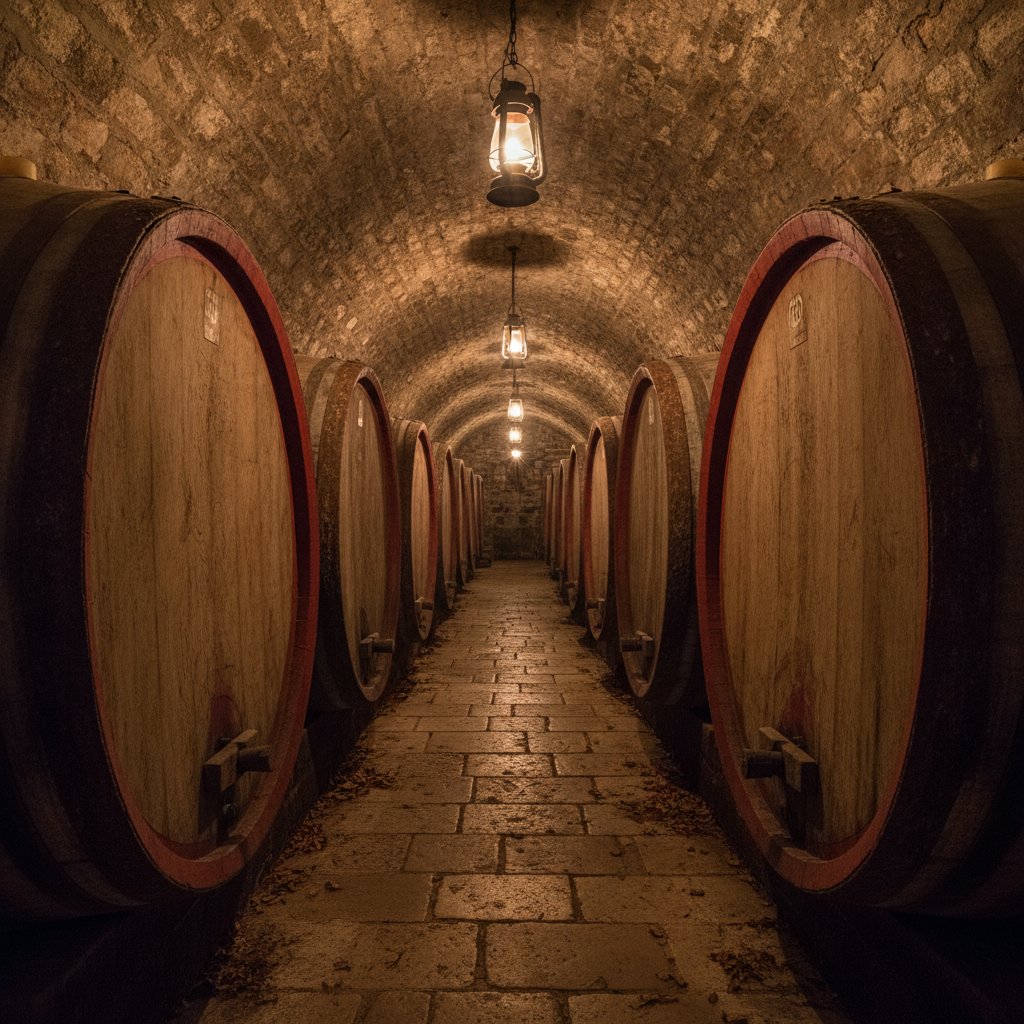
A Glimpse into the Cellar
From the robust, sun-drenched reds of the Dalmatian coast (hello, Plavac Mali!) and Montenegro's powerful Vranac, to Serbia's aromatic Tamjanika and Prokupac, and the unique character of Bosnia & Herzegovina's Žilavka and Blatina – the variety is truly astonishing. And that's just scratching the surface!
| Country | Signature Grapes | Typical Style | Key Region |
|---|---|---|---|
| Croatia | Plavac Mali, Malvazija Istarska, Graševina | Full-bodied reds & crisp coastal whites | Dalmatian coast & islands, Istria |
| Serbia | Prokupac, Tamjanika, Smederevka | Structured reds, aromatic whites | Fruška Gora, Župa |
| Bosnia & Herzegovina | Žilavka, Blatina | Mineral-driven whites, tannic reds | Herzegovina (Mostar, Čitluk) |
| Montenegro | Vranac, Krstač | Deep, powerful reds; full-bodied whites | Skadar Lake basin |
How to Taste Balkan Wine Like a Local
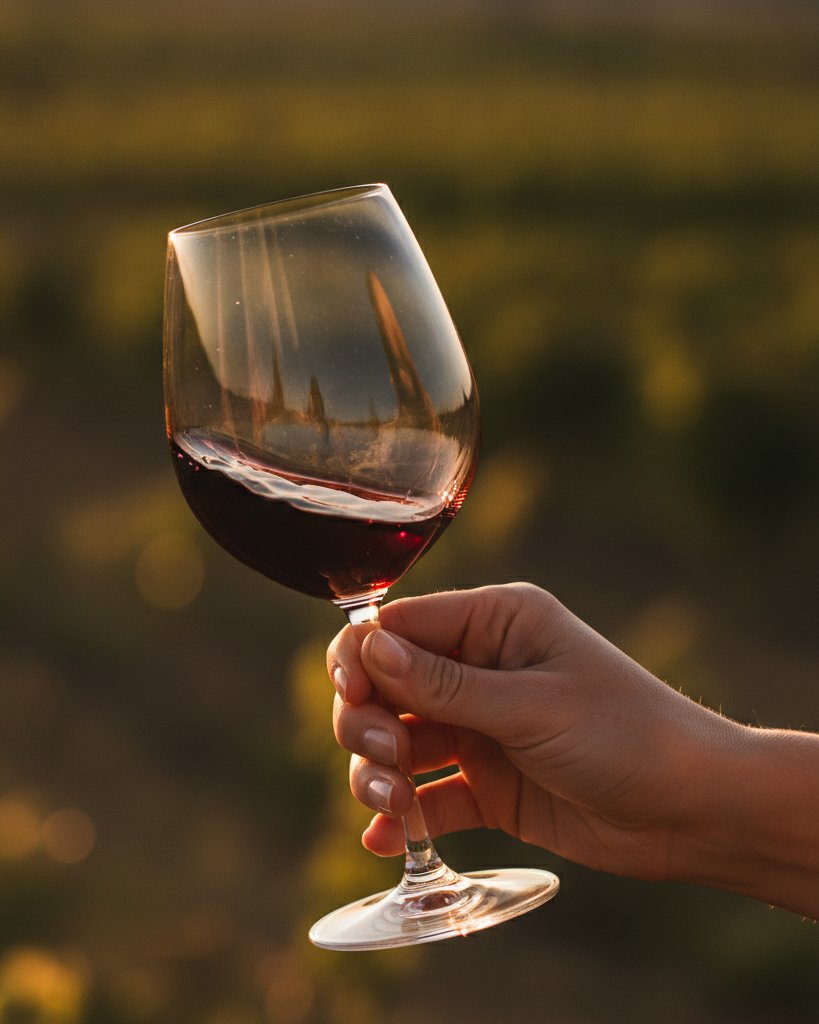
You don't need a sommelier's pin to taste properly — just a bit of intent. Start by looking: hold the glass against something pale and check the colour and clarity, which already hints at age and grape. Give it a swirl to open the aromatics, then actually smell it before you drink — most of what you'll register as "taste" is really your nose doing the work.
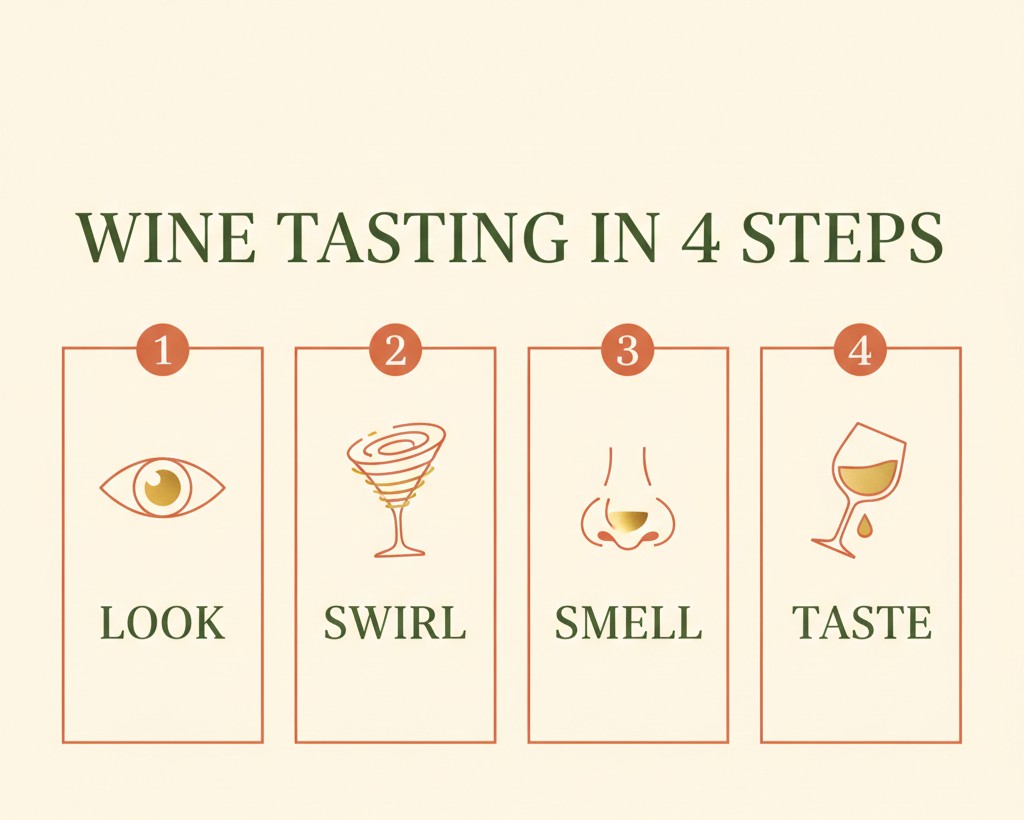
Serving temperature matters more than people think. A big Vranac or Blatina wants to be slightly below room temperature, not warmed by your hand — over-warm reds taste flabby and lose their structure. Whites like Žilavka or Malvazija Istarska should be properly cold but not ice-locked, which mutes their aromatics entirely. And whatever you're drinking, don't skip the toast — reaching for a glass without a "Živjeli" or "Živeli" first is, in most of this region, a small breach of etiquette rather than a formality.
Planning a Balkan Wine Tour
If you'd rather taste this at the source, the region rewards the effort. Herzegovina's stone-terraced vineyards around Mostar and Čitluk are the most dramatic entry point — small, family-run cellars that will happily pour you a glass of Žilavka if you call ahead. The Dalmatian coast and islands (Pelješac, Hvar, Korčula) pair vineyard visits with some of the best seafood in the Adriatic. Serbia's Fruška Gora, just north of Belgrade, is close enough for a day trip and dense with small producers reviving Prokupac. Montenegro's vineyards around Skadar Lake are less set up for casual visitors, but the ones that are will show you Vranac vines older than most of the wineries themselves.
A practical note: most Balkan wineries are small operations, not tourist-scale tasting rooms — an email or phone call ahead goes a long way, and September's harvest is genuinely the most atmospheric time to visit, if you don't mind the whole cellar smelling of fermenting must.
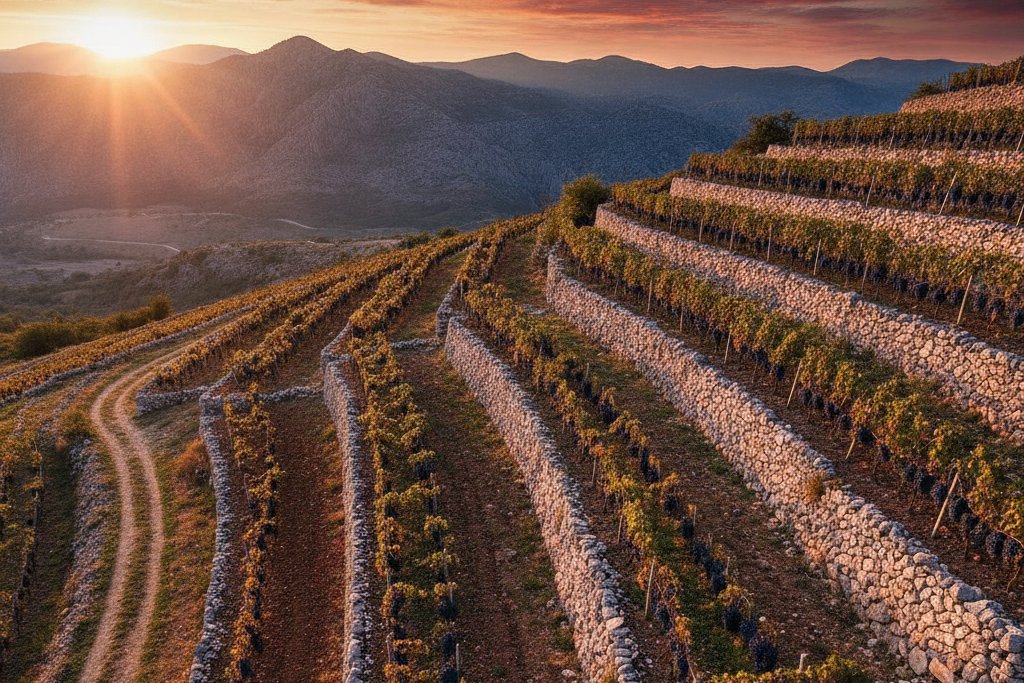
Terraces like these — stacked by hand into the karst hillsides generations ago — are why Herzegovina's wine has such a distinct mineral edge; the rock the vines grow in is practically part of the recipe.
Ready to Explore?
Choose a country or region below to begin your deep dive into the world of Balkan wines, or browse our featured wineries to find your next favourite bottle. Each country page below has its own regions, grapes, and (where they exist yet) individual winery profiles.
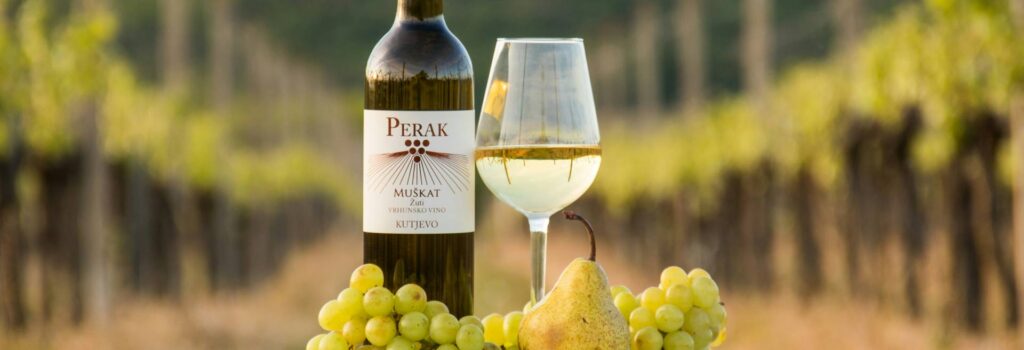
Croatian Wines
A winemaking heritage as deep and blue as the Adriatic — home to Plavac Mali, Malvazija Istarska, and vineyards spanning over 2,500 years of history.
View Profile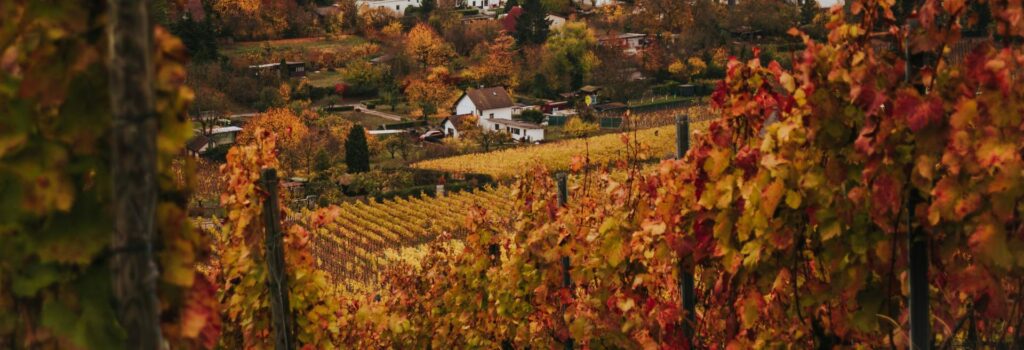
Serbian Wines
From the gentle slopes of Fruška Gora to the valleys of the south — indigenous Prokupac and Tamjanika grapes are being rediscovered and celebrated.
View Profile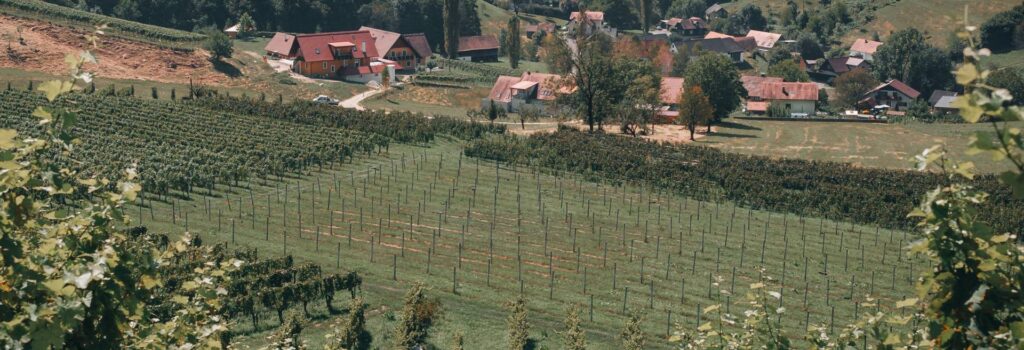
Bosnian Wines
Herzegovina's karst vineyards produce Žilavka and Blatina — two indigenous grapes found almost nowhere else in the world.
View Profile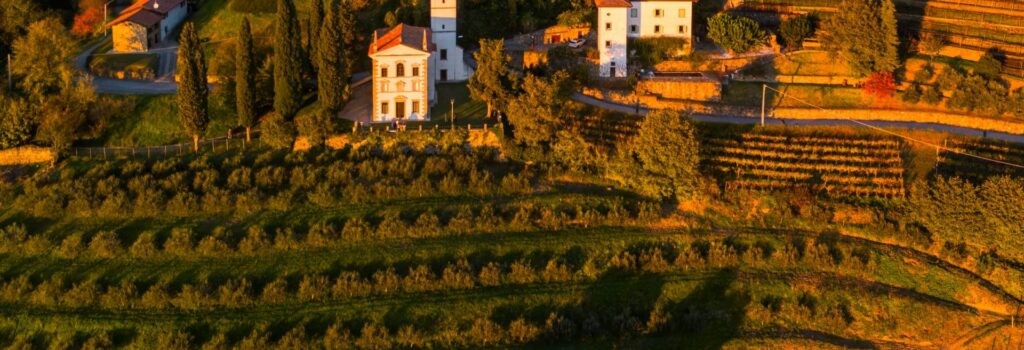
Montenegrin Wines
The mighty Vranac grape produces reds as deep and powerful as the country's landscapes, alongside the aromatic white Krstač.
View ProfileFrequently Asked Questions
What is the oldest wine-producing region in the Balkans?
Organized viticulture reached the Adriatic coast with Greek colonists as early as the 4th century BC, making coastal Croatia and Montenegro among the region's oldest documented wine-growing areas — though the Illyrian tribes who predated them were likely already fermenting local grapes.
What are the most important Balkan wine grapes?
Plavac Mali (Croatia), Vranac (Montenegro), Prokupac (Serbia), and Žilavka and Blatina (Bosnia & Herzegovina) are the region's flagship indigenous varieties — each found almost nowhere else in significant quantity.
Is Balkan wine good quality?
The best of it is genuinely excellent, and increasingly recognized internationally. Quality varies more than in established Western European regions since the industry is still rebuilding after the disruption of the 1990s, so seeking out small, dedicated producers rather than mass-market bottles is the reliable path to a great glass.
Which Balkan country produces the most wine?
Croatia has the largest and most internationally visible wine industry today, with roughly 2,500 winemakers, though Serbia has historically had significant production volume as well.
What's the difference between Croatian and Bosnian wine?
Croatian wine spans a huge range — Mediterranean coastal reds and whites alongside cooler continental styles inland. Bosnian wine is far more concentrated, almost entirely centred on Herzegovina's karst vineyards and built around just two indigenous grapes, Žilavka and Blatina.
So pour yourself something interesting, and let's explore the liquid history of Balkan wine together. Živjeli! (Cheers!)