Vina Brkić
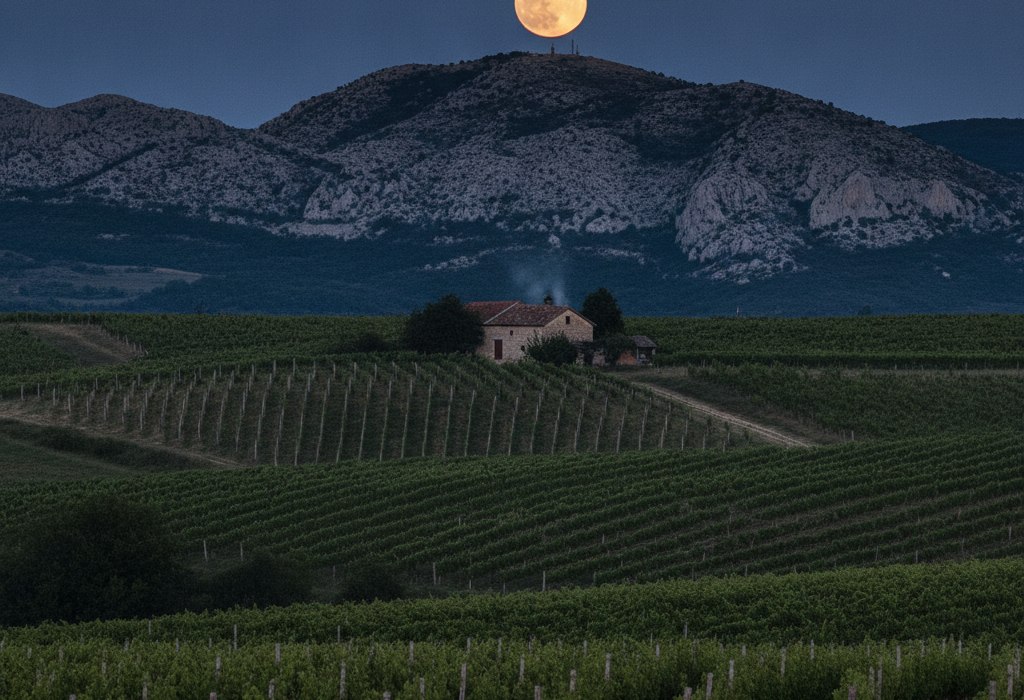
Dobar dan! Most of Herzegovina's wine story is about scale — the biggest producer, the oldest cellar, the widest export network. Vina Brkić is the opposite kind of story: a three-hectare plot in the middle of Čitluk town, farmed by one family determined to make wine the slowest, most deliberate way possible.
Mjesečar (Moonwalker)
14% ABVPasko Brkić planted the first vines in the late 1970s. His son Josip took over and, in 2007, converted the entire estate to biodynamic farming — the first winery in Bosnia and Herzegovina to do so, working by lunar cycles and without industrial machinery or pumps. Everything here is bottled in the low hundreds to low thousands, by hand.
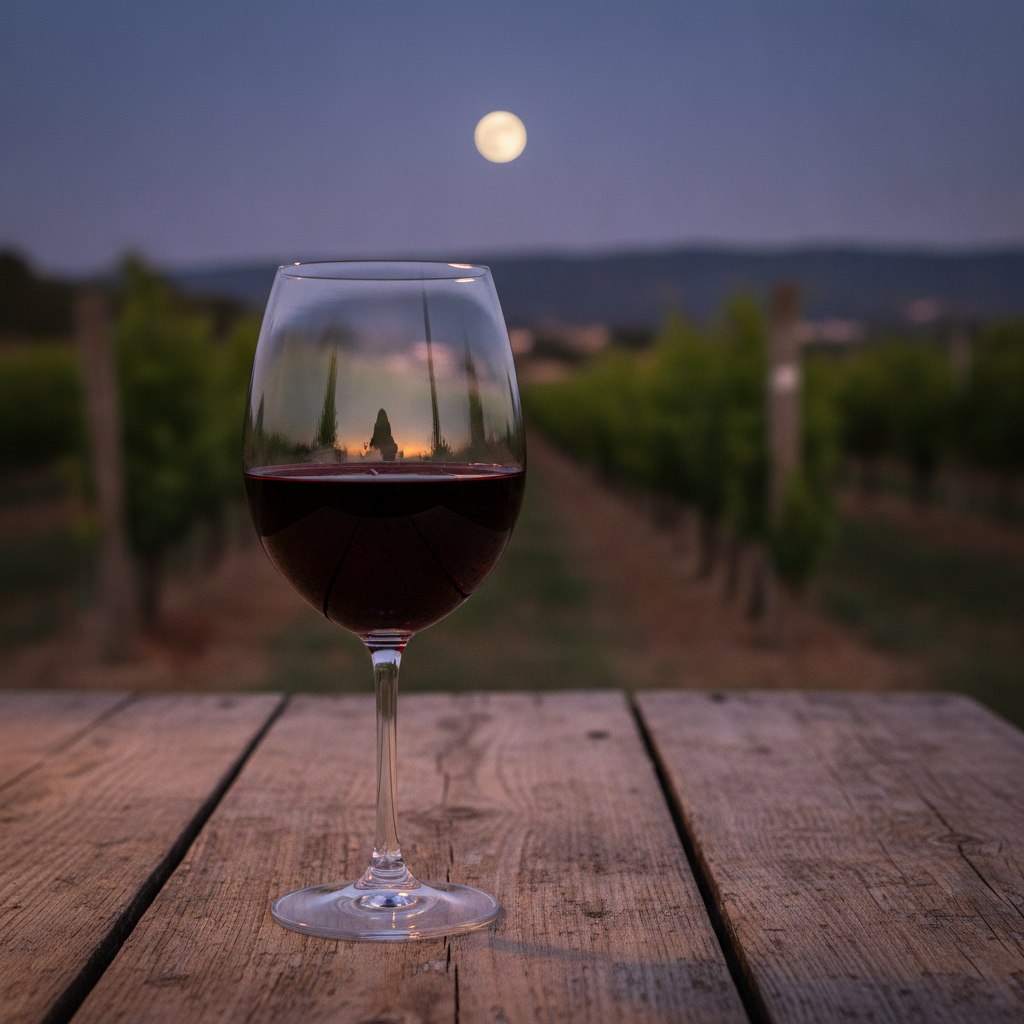
The flagship bottling, Mjesečar — Croatian for "Moonwalker" or "Sleepwalker" — is harvested specifically under the full moon, following biodynamic tradition. Only 743 bottles of the 2022 vintage exist. Let's step into Herzegovina's smallest big idea.
From Village Plot to Biodynamic Pioneer: The History of Vina Brkić
Pasko Brkić planted his first vines in Čitluk in the late 1970s, at a time when almost every serious wine producer in the region operated at an industrial, cooperative scale. His son Josip took a different path entirely: in 2007, he converted the family's three-hectare estate to full biodynamic production — the first winery in Bosnia and Herzegovina to do so.
Biodynamic farming here means working by lunar and seasonal cycles rather than a fixed calendar, avoiding synthetic inputs entirely, and handling the grapes with as little mechanical intervention as possible — no pumps, hand-bottling, whole-berry fermentation. It's a slower, riskier way to make wine, and a genuinely rare commitment in a region still rebuilding its wine industry after decades of disruption.
The estate is small by design: roughly 70% Žilavka and 30% Blatina across three hectares, producing labels in quantities that rarely exceed a few thousand bottles each. This isn't a winery chasing scale — it's one chasing a specific, uncompromising idea of what wine can be.
The Taste: Moonlit Harvests and Amphora Experiments
Vina Brkić's small range reads like a tasting menu of what biodynamic and natural winemaking can do with Herzegovina's own grapes:
- Mjesečar ("Moonwalker"): The flagship, a Blatina-based red harvested specifically under the full moon following biodynamic principles, fermented with whole berries and aged 14 months in oak. Only 743 bottles of the 2022 vintage were made.
- Amphora: Believed to be the first orange wine made in clay amphorae in Bosnia and Herzegovina — skin-contact Žilavka aged in terracotta rather than oak or steel.
- Greda and Plava Greda: An oaked white and a Blatina-based red blend rounding out the everyday range, alongside Grečica, a rosé.
More Than Wine: Vina Brkić's Place in Herzegovina
- A genuine national first: As the first biodynamic winery in Bosnia and Herzegovina, Brkić opened a path that few others in the country have followed since.
- Proof that scale isn't the only story: Sitting alongside the country's industrial giants, Brkić shows that a three-hectare town plot can compete on ideas rather than volume.
- A genuine natural-wine pioneer: The Amphora bottling puts Herzegovina in conversation with Georgia's ancient qvevri tradition — a genuinely unusual angle for the region.
Perfect Pairings: Enjoying Vina Brkić Wines with Herzegovinian Food
These are wines that reward slow, attentive drinking, much like they were made:
- Mjesečar: Pairs well with grilled lamb, game, or aged Herzegovinian cheese — the whole-berry ferment gives it enough structure to stand up to rich, smoky food.
- Amphora: Try it with spiced or fermented dishes, or simply on its own as a conversation starter.
Finding Vina Brkić Wines
- At the source: The small estate in Čitluk town welcomes visitors by appointment — check brkic.ba before visiting.
- Across Bosnia and Herzegovina: Given the tiny production, expect to find Brkić mainly at specialty wine shops and natural-wine-focused restaurants.
- Internationally: Increasingly sought after by natural-wine importers curious about Herzegovina's biodynamic side.
Živjeli uz Vina Brkić! A toast to the smallest, slowest, most deliberate wine in Herzegovina.