Vukoje 1982
Dobar dan! Step into Vukoje 1982 — the Trebinje winery that took a piece of Habsburg history and brought it back to life. Founded in 1982, Vukoje began the way many small Herzegovinian producers did: selling wine only through the family’s own restaurant, since the law at the time didn’t allow small producers to sell directly on the open market.
Carsko Vino (Imperial Wine)
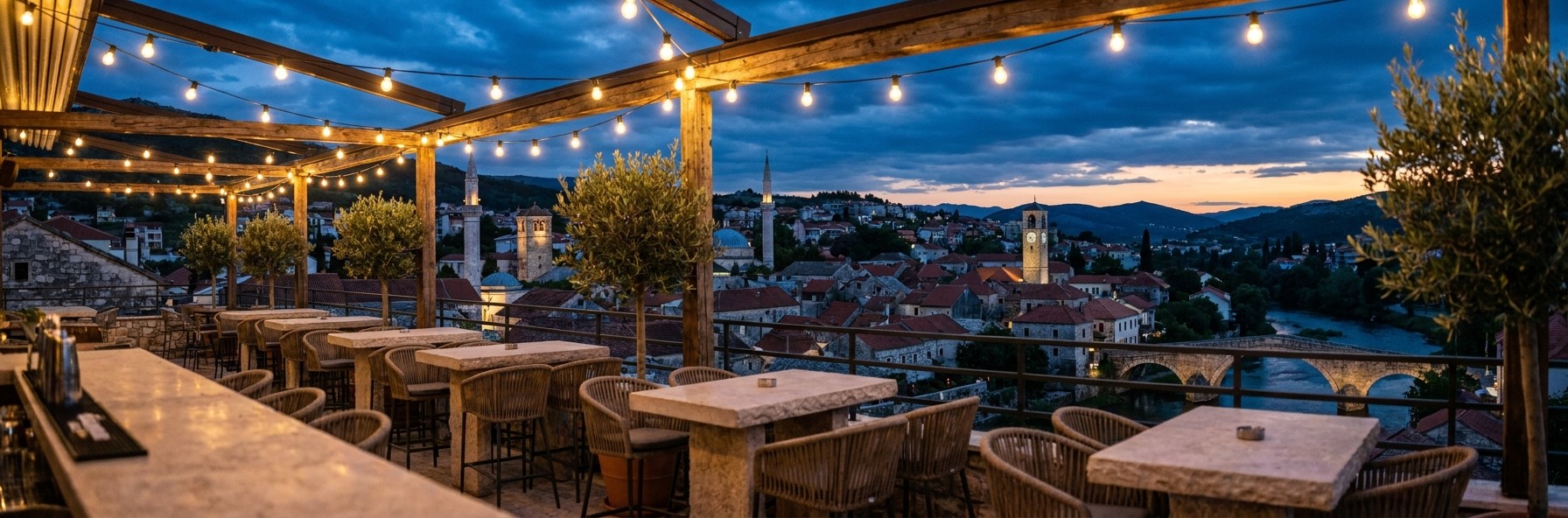
14.0% ABVEverything changed once the rules did. Vukoje released its first wines under its own label in 1996, and has spent the decades since building one of the most ambitious wineries in Bosnia and Herzegovina — a seven-story cellar, a restaurant, and a rooftop bar overlooking Trebinje’s old town.
But Vukoje’s real claim to fame lies in the ground itself: the revival of the Ušće vineyards, once declared by the Austro-Hungarian monarchy as the empire’s finest site for growing Žilavka. Let’s dig into the story.
An Empire’s Forgotten Vineyard: The History of Vukoje 1982
Vukoje was founded in 1982, but for its first years the winery couldn’t sell its own wine on the open market — regulations at the time restricted small producers to selling only through their own premises, so the family poured what they made through their own restaurant. That changed once the law did: Vukoje released its first wines under its own label in 1996, and has been building its reputation ever since.
The winery’s defining story, though, reaches back further than 1982. At the end of the 19th century, the Austro-Hungarian monarchy surveyed the vineyards at Ušće, near Trebinje, and declared them the empire’s finest site for growing Žilavka — planting what became known as the famous Imperial Vineyards. Those vineyards fell into disuse over the following century, until Vukoje replanted them and brought in the first harvest in 2007, reviving “imperial Žilavka” for a new generation of drinkers.
Today, Vukoje owns 30 hectares across two sites, including the Zasad Field, where indigenous Vranac and Žilavka grow alongside Cabernet Sauvignon, Chardonnay, Pinot Noir, Syrah, Muscat, and Merlot. The wines age in oak barrique inside cellars eight meters underground. The results speak for themselves: more than 150 gold medals at home and abroad, and a best-national-producer title at AWC Vienna 2015 after winning ten gold and silver medals there in a single six-month stretch.

The Taste: Imperial Žilavka and Herzegovinian Vranac
Vukoje’s range balances its revived imperial heritage with modern winemaking ambition:
- Carsko Vino (Imperial Wine): A single-vineyard, aged Žilavka grown on the revived Ušće site — the winery’s signature bottling and a direct link to its Habsburg-era origins.
- Hercegovački Vranac: The winery’s flagship red, often described as a mirror of Herzegovinian Vranac at its best — full-bodied, dark, and built for aging.
- International varieties: Cabernet Sauvignon, Chardonnay, Pinot Noir, Syrah, and Muscat round out the Zasad Field plantings, giving Vukoje a far broader range than most boutique Herzegovinian producers.
More Than Wine: Vukoje’s Place in Herzegovina
- A revived imperial legacy: Replanting the Ušće Imperial Vineyards reconnected Trebinje to a piece of Austro-Hungarian wine history that had been dormant for a century.
- A genuine hospitality destination: The seven-story cellar, restaurant, and rooftop bar overlooking Trebinje’s old town have made Vukoje as much a place to visit as a label to drink.
- An international calling card: The 2015 AWC Vienna best-national-producer title put Bosnian wine in front of an audience that rarely encounters it.
Perfect Pairings: Enjoying Vukoje Wines with Herzegovinian Food
From the rooftop bar to the dinner table, Vukoje’s wines were made for Herzegovinian food:
- Carsko Vino Žilavka: Pairs beautifully with freshwater fish, aged cheeses, or grilled white meats.
- Hercegovački Vranac: A natural match for ćevapi, grilled lamb, and other smoke-charred Herzegovinian classics.
- Across the range: The international varietals work well with richer, internationally inspired dishes — think roasted red meats or hard, aged cheeses.

Finding Vukoje 1982 Wines
- At the source: The Vinska Galerija tasting gallery, restaurant, and rooftop bar in Trebinje — book ahead for the full experience.
- Across Bosnia and Herzegovina: Vukoje wines are widely stocked in restaurants and specialty shops nationwide.
- Online and abroad: Check podrumivukoje1982.com for stockist details and export availability.
Živjeli uz Vukoje 1982! Here’s to a winery that dug up a forgotten corner of imperial history and poured it back into the glass.