Mašanović
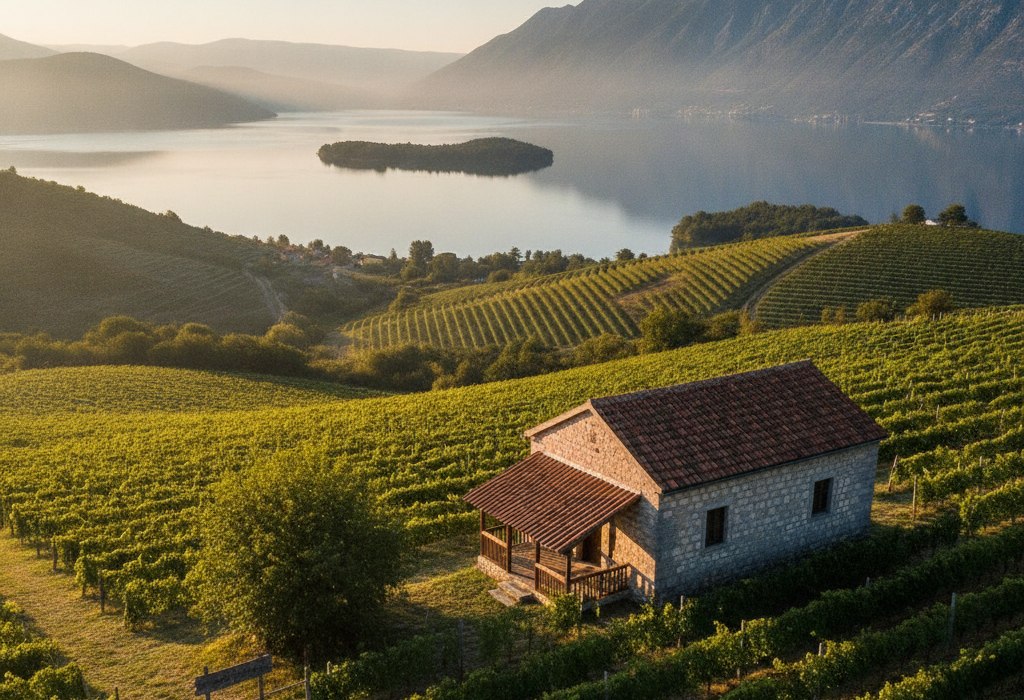
Živjeli! Some vineyards come with a royal address. The Mašanović family's winery sits in Virpazar, right at the heart of Crmnica, on the very site where King Nikola once kept his royal wine cellar — a location that says everything about how seriously this small stretch of Montenegro has always taken its wine.
Mašanović Vranac
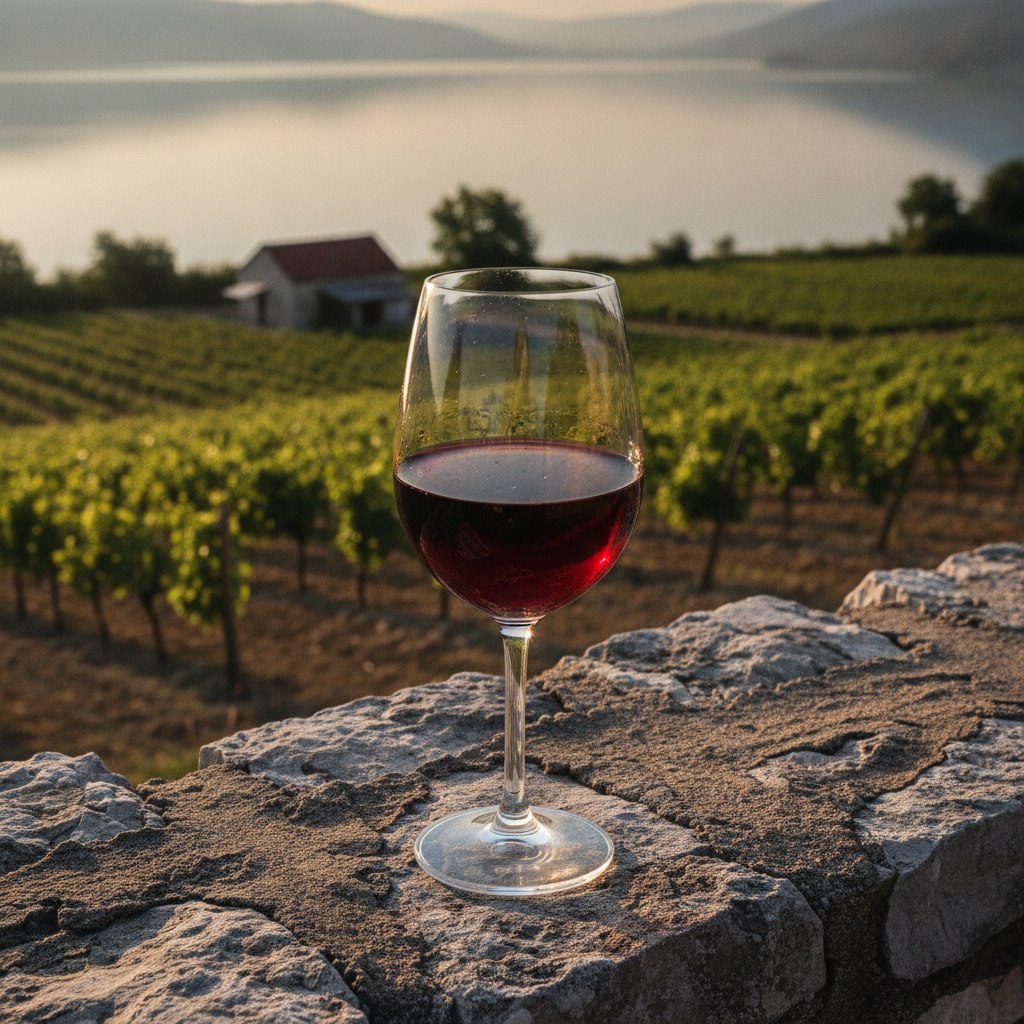
13.5% ABVThe family's own winemaking history stretches back more than ten generations, though the modern winery as it operates today dates to 1969, when the family began bottling limited quantities using a mix of traditional methods and whatever modern technology made sense to add.
Crmnica's Vranac has genuine pedigree to back all this up — it was presented at the Balkan states expo in London back in 1907, where it picked up several top awards, decades before "Balkan wine" meant anything to most of the world. Let's pour a glass and find out why.
Ten Generations on a Royal Site: The History of Mašanović
The Mašanović family has grown grapes in Virpazar, in the heart of the Crmnica wine region, for more than ten generations — a lineage that stretches back well before Montenegro existed in its modern form. Their winery today occupies genuinely historic ground: the site where King Nikola, Montenegro's last monarch, once kept his own royal wine cellar.
The modern chapter of the family business began in 1969, when the Mašanovićs started producing wine in limited, deliberately small quantities, pairing traditional Crmnica winemaking methods with whatever modern equipment genuinely improved the result rather than changing the character of the wine.
Crmnica's Vranac carries real historical credentials of its own: it was showcased at the Balkan states expo in London in 1907, where it won several top awards — proof that this small wine region's reputation reached international audiences long before most of the world had heard of Montenegrin wine at all.
The Taste: Six Grapes, Exclusively Red
Mašanović plants a notably wide range for such a small estate, but the winery has chosen to focus entirely on red wine:
- Vranac: The flagship, and Montenegro's most important variety — black fruit, velvety tannins, and real length, produced in limited series.
- Kratošija: A historic Balkan variety (genetically the same grape as California's Zinfandel and Croatia's Crljenak Kaštelanski), grown here as part of the family's varied red-only vineyard.
- Marselan, Petit Verdot, Cabernet Sauvignon, and Sangiovese: International varieties planted alongside the indigenous grapes, all going into the estate's high-end red blends.
The wines have picked up numerous international awards at fairs in Paris, Budapest, Split, Mostar, and Novi Sad — including a Champion of Quality title at the Novi Sad Fair.
More Than Wine: Mašanović's Place in Crmnica
- A royal address: Building a family winery on the site of King Nikola's own wine cellar is a rare and genuine historical connection, not a marketing flourish.
- Ten generations of continuity: Few Montenegrin wineries can trace their family's winemaking presence on the same land back as far as the Mašanovićs can.
- International recognition since 1907: Crmnica's Vranac earning awards in London over a century ago put this small region on the map well ahead of its time.
Perfect Pairings: Enjoying Mašanović Wines with Crmnica Food
These are serious, structured reds built for equally serious food:
- Mašanović Vranac: Pairs beautifully with slow-roasted lamb, Njeguši prosciutto and cheese, or hearty mountain stews.
- Kratošija and Cabernet Sauvignon blends: A strong match for grilled red meat, game, or aged hard cheeses.
Finding Mašanović Wines
- At the source: The family winery in Virpazar welcomes visitors for tastings by arrangement — a popular stop for travellers exploring Lake Skadar.
- Across Montenegro: Look for it at specialty wine shops and restaurants around Bar, Budva, and Podgorica.
- Internationally: The winery's award history at fairs across Europe has helped its limited-series reds reach niche importers abroad.
Živjeli uz Mašanović! Ten generations, one royal address, and a Vranac that's been winning medals since your great-great-grandparents' time.