Plantaže
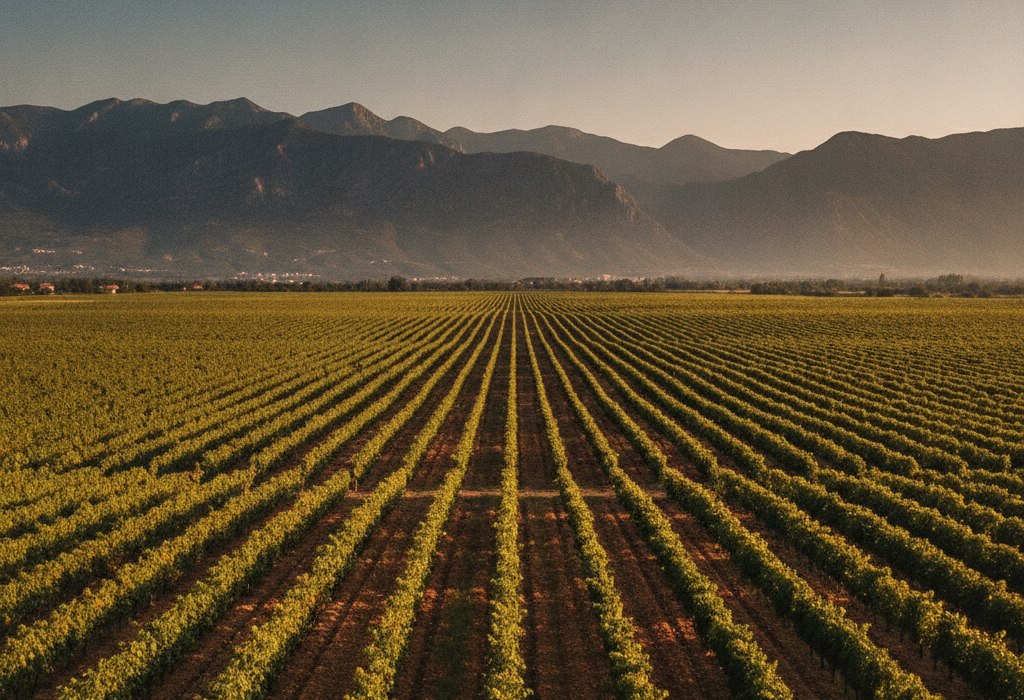
Živjeli! If Montenegrin wine has a capital, it's the flat karst plain just outside Podgorica called Ćemovsko Polje — and almost the entire plain belongs to one winery. 13. Jul Plantaže was founded in 1963, and what started as a modest planting grew, between 1977 and 1982, into a single connected vineyard covering more than 2,000 hectares, one of the largest of its kind anywhere in Europe.
Vranac Pro Corde
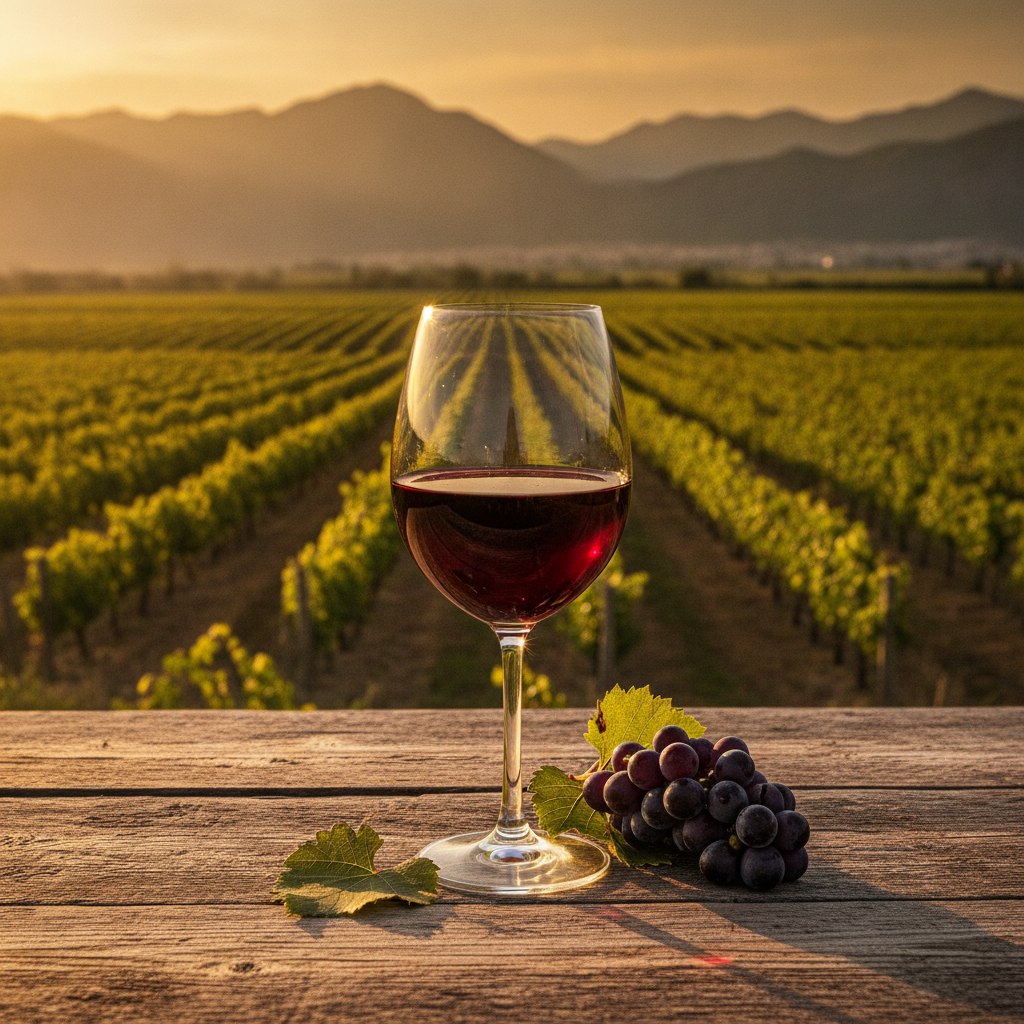
13.5% ABVThe scale is genuinely hard to picture: a single karst valley, ringed by limestone hills, sitting at a modest altitude of 45 to 70 metres, planted almost entirely with Vranac — the deep, powerful red grape that has become Montenegro's national symbol in a glass. Two-thirds of Ćemovsko Polje's vines are Vranac alone.
Beneath the vines, Plantaže also keeps two historic cellars, Šipčanik and Stari Podrum, adding a layer of underground wine tourism to a winery that operates on an almost industrial scale. Let's see what makes this Podgorica giant tick.
From 1963 to 2,000 Hectares: The History of Plantaže
13. Jul Plantaže was founded in 1963, with its earliest vineyards planted directly on the Ćemovsko Polje plain just outside Podgorica. What began as a state agricultural project grew dramatically between 1977 and 1982, when planners carried out one of the largest viticultural undertakings in Europe at the time — a project reportedly worth around 62 million dollars — expanding the estate to a single connected vineyard of more than 2,000 hectares.
The site itself is unusual: a karst valley sitting at just 45 to 70 metres above sea level, ringed by limestone hills that trap heat and shelter the vines. Vranac — an ancient variety whose exact origins were lost to history until relatively recently — covers roughly two-thirds of the plantings, making it by far the dominant grape on the plain.
Beyond the open vineyard, Plantaže operates two historic underground cellars, Šipčanik (a former military aircraft hangar repurposed for wine ageing) and Stari Podrum, both open to visitors — giving the winery a wine-tourism dimension that matches its production scale.
The Taste: Vranac as a National Brand
Plantaže's range runs from everyday bottles to serious single-vineyard reds, but Vranac is always the headline:
- Vranac Pro Corde: A structured, food-friendly expression of the grape — dark fruit, spice, and the firm tannins Vranac is known for.
- Vranac Krnogorski and premium single-vineyard bottlings: More concentrated expressions for those wanting to see the grape's full potential.
- Krstač: The estate's signature white, full-bodied with stone-fruit and herbal notes, grown across the same Ćemovsko Polje plain.
Vranac has become the wine most people associate with Montenegro internationally, and Plantaže — as the country's dominant producer — is the name most responsible for that recognition.
More Than Wine: Plantaže's Place in Montenegro
- A national institution: As Montenegro's largest winery by a wide margin, Plantaže effectively defines the country's wine industry on the world stage.
- A genuine European rarity: Few single vineyards anywhere in Europe reach the scale of the 2,000-plus hectare Ćemovsko Polje planting.
- Underground wine tourism: The Šipčanik and Stari Podrum cellars turn a visit into something closer to a historical experience than a standard tasting.
Perfect Pairings: Enjoying Plantaže Wines with Montenegrin Food
Vranac's structure was practically built for Montenegro's rich mountain cooking:
- Vranac Pro Corde: Pairs beautifully with Njeguši prosciutto and cheese, slow-cooked lamb under the sač, or hearty stews.
- Krstač: A good match for freshwater fish from Lake Skadar, grilled white fish, or poultry.
Finding Plantaže Wines
- At the source: Tours of the Ćemovsko Polje vineyard and the Šipčanik and Stari Podrum cellars are available near Podgorica — book through plantaze.com.
- Across Montenegro: As the country's dominant producer, Plantaže wines are the easiest to find anywhere in Montenegro, from supermarkets to restaurants.
- Internationally: Widely exported across Europe and beyond — often the first (and sometimes only) Montenegrin wine international drinkers ever encounter.
Živjeli uz Plantaže! To a single Podgorica plain that carries an entire country's wine reputation on its shoulders.