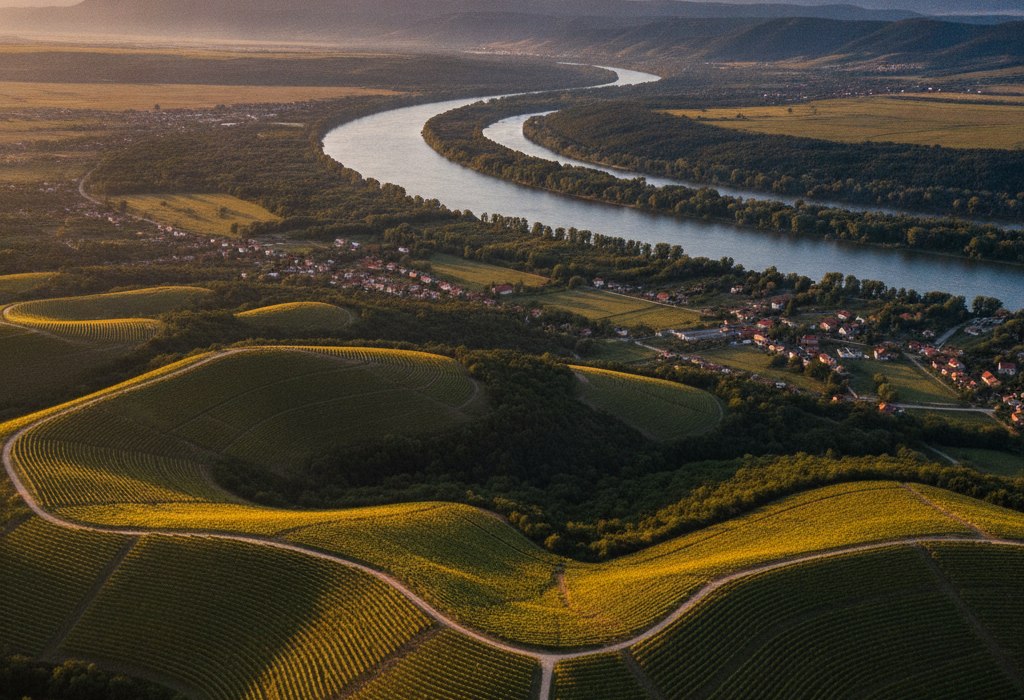
Kovačević
Živeli! Fruška Gora — sometimes called Serbia's "Holy Mountain" for the 16 Orthodox monasteries scattered across it — has been wine country since long before anyone wrote it down. The Kovačević family's own chapter of that story dates to the early 20th century, when their first successful vineyards and wine production began in the hills above Irig.
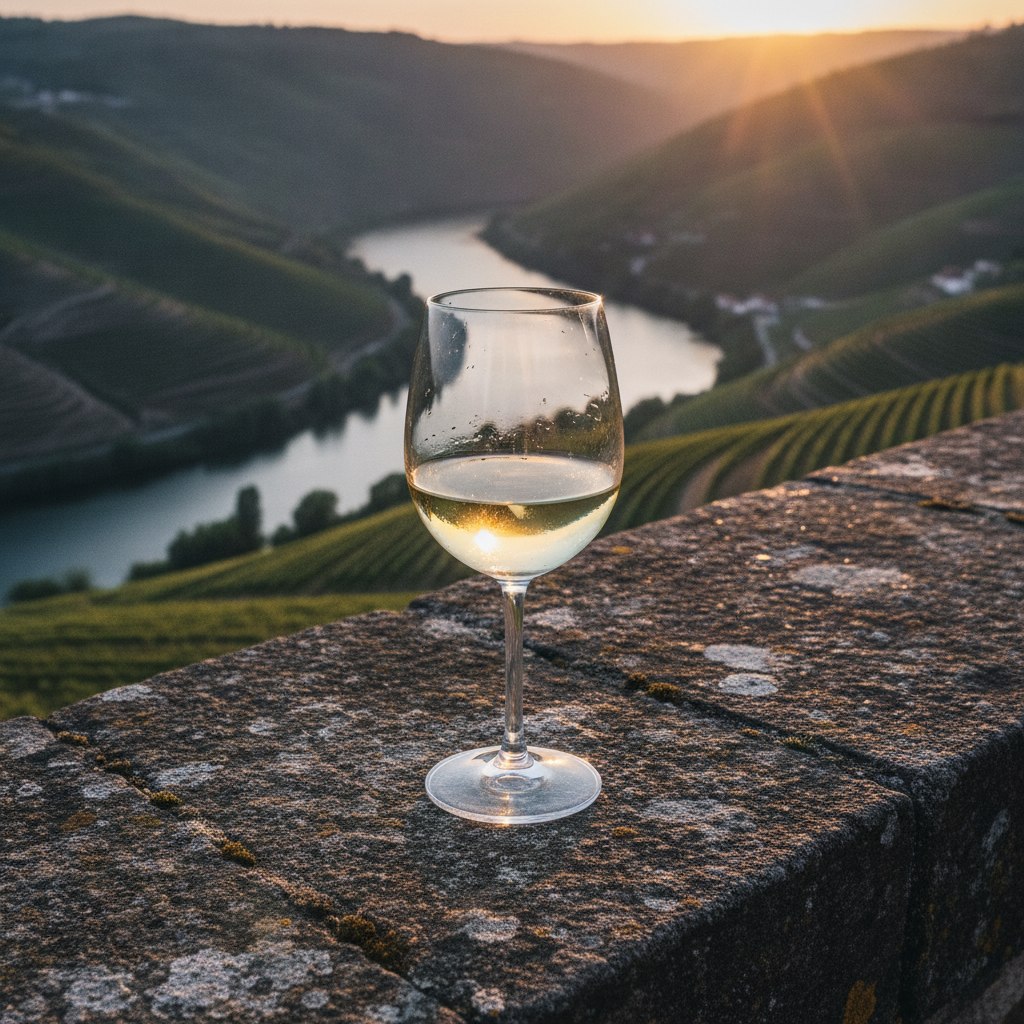
Kovačević Chardonnay
13% ABVIrig itself carries serious wine credentials: it's the old capital of Fruška Gora winemaking, and the Kovačević family's cellar sits inside the very building that once housed the region's Fruška Gora wine and fruit co-operative, founded in 1930. In September 2010, the family opened Wine House Kovačević to the public, giving visitors a proper place to taste what had, until then, been a mostly private pursuit.
Today the estate farms vineyards on both the southern slopes near Irig and the northern slopes near Sviloš and Grabovo — all certified organic — overlooking the Danube valley on the road between Belgrade and Novi Sad. Let's take a look inside.
A Century in the Hills of Irig: The History of Kovačević
The Kovačević family's first successful grape-growing and winemaking dates to the beginning of the 20th century, in the hills surrounding Irig — a town that had already been the recognised centre of Fruška Gora winemaking for generations. The family's cellar today occupies the historic building that once housed the Fruška Gora wine and fruit co-operative, founded in 1930, tying the estate directly into the region's institutional wine history.
For most of the 20th century, the family's winemaking stayed a private, small-scale pursuit. That changed in September 2010, when the family opened Wine House Kovačević, responding to growing interest from visitors who wanted to taste their wines on-site rather than just hear about them.
The estate's vineyards now span both faces of Fruška Gora — the southern slopes near Irig and the northern slopes toward Sviloš and Grabovo — with the entire holding farmed organically, a deliberate choice that sets Kovačević apart from many of its Vojvodina neighbours.
The Taste: A Wide Organic Range Above the Danube
Few Fruška Gora producers plant as broad a range as Kovačević:
- Chardonnay: Crisp and mineral-driven, with green apple and citrus notes and a touch of toast — a clean expression of the Danube-cooled climate.
- Cabernet Sauvignon and Pinot Noir: Structured reds that benefit from Fruška Gora's moderating river influence.
- Rhine and Italian Riesling, Sauvignon Blanc, Traminer: A deep bench of aromatic whites.
- Tamjanika (white and red), Vranac, Prokupac, Probus: Local and regional varieties grown alongside the international names, plus Neoplanta and Muscat Hamburg for good measure.
More Than Wine: Kovačević's Place in Fruška Gora
- A historic address: Operating out of the former Fruška Gora wine co-operative building ties the estate physically to the region's institutional winemaking history.
- Committed to organic farming: All of Kovačević's vineyards are certified organic, a meaningful commitment in a region not always known for it.
- A gateway to Fruška Gora wine tourism: Sitting close to Novi Sad and the Danube, Wine House Kovačević is an easy stop for visitors exploring Vojvodina's monastery-and-vineyard landscape.
Perfect Pairings: Enjoying Kovačević Wines with Vojvodina Food
The estate's range covers most of the Vojvodina table:
- Chardonnay: Pairs well with freshwater Danube fish, poultry, or soft cheeses.
- Cabernet Sauvignon: A strong match for grilled or roasted red meat and game.
- Tamjanika: Try it as an aperitif or alongside lighter, more aromatic dishes.
Finding Kovačević Wines
- At the source: Wine House Kovačević near Irig offers cellar tours and tastings — check vinarijakovacevic.com to book.
- Across Serbia: Available in Novi Sad and Belgrade at wine-focused restaurants and shops.
- Internationally: Organic Fruška Gora wines like these are increasingly sought after by specialty importers in Europe.
Živeli uz Kovačević! A toast to a hundred years on the same organic hillsides above the Danube.