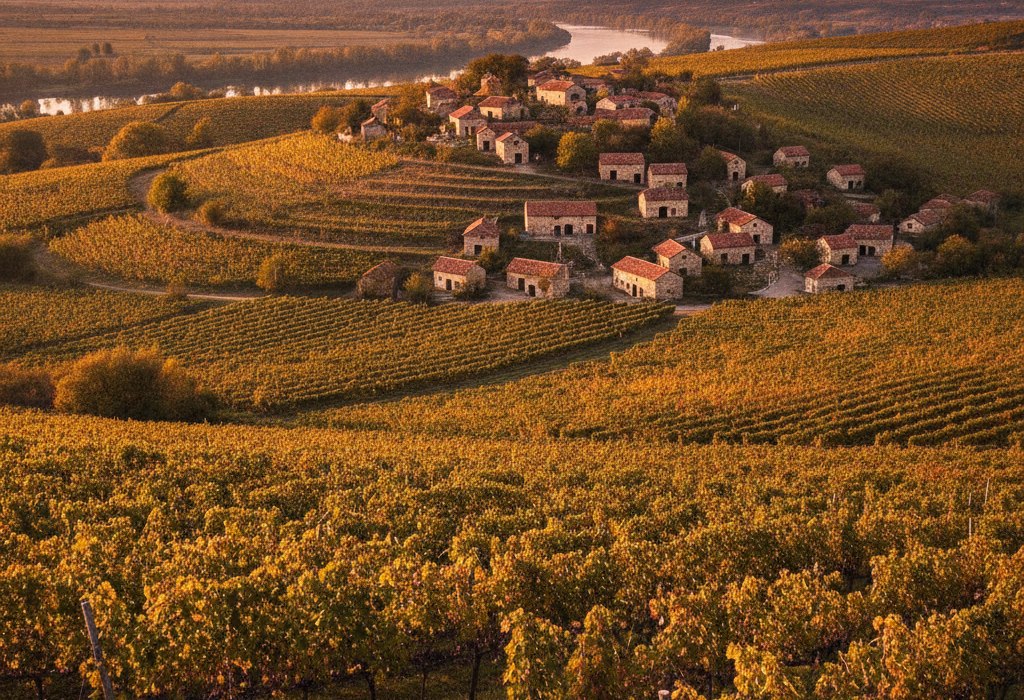
Matalj Vinarija
Živeli! Eastern Serbia's Negotin region doesn't get the international attention that Fruška Gora or Šumadija do, but it has one of the country's most genuinely dramatic wine landscapes — and Matalj Vinarija is one of the family estates keeping its modern winemaking scene alive.
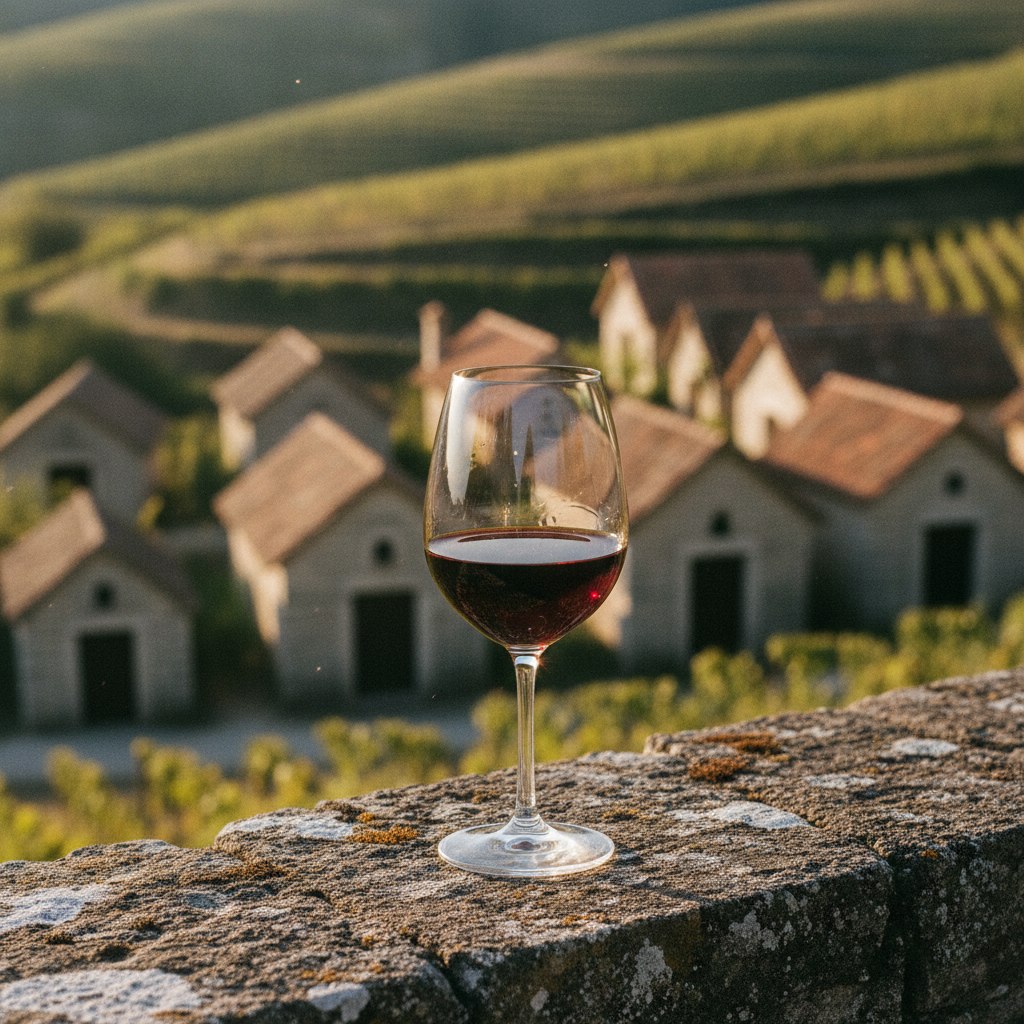
Cabernet Sauvignon Kremen
14% ABVThe region has been making wine since Roman times, and by the late 19th century Negotin was exporting millions of litres of red wine a year, particularly Zinfandel-family grapes, Prokupac, and Kadarka, to markets across Europe. Nearby stands one of Serbia's most extraordinary wine landmarks: the village of Rajac, where roughly 270 small stone wine-cellars — pimnice — were built starting in the 18th century, eventually nominated for UNESCO World Heritage status.
Matalj works its 20 hectares on gravel, sand, and clay terroir along the Danube, with a mountain range shielding the vineyards from cold winds — near-ideal conditions the family has built a genuinely modern, quality-focused winery around. Let's explore.
Roman Roots and a UNESCO-Nominated Neighbour: The History of Matalj
Winemaking in the Negotin region of eastern Serbia dates back to Roman times, and by the late 19th century the area had become a genuine export powerhouse — millions of litres of red wine, especially Zinfandel-family grapes alongside Prokupac and Kadarka, shipped out to markets across Europe each year.
The region's most extraordinary physical legacy sits just south of Negotin, in the village of Rajac: roughly 270 small stone cellar-houses called pimnice, built starting in the 18th century by local wine growers as combined production and storage facilities. Over time these evolved into what's often described as a genuine "wine town" — recognised as a spatial cultural-historical site of exceptional importance in Serbia in 1983, and proposed for UNESCO World Heritage status in 2010.
Matalj Vinarija farms its 20 hectares in this same historic region, on a terroir of gravel, sand, and clay along the Danube, where a mountain range shelters the vines from cold winds — near-ideal continental conditions with warm summers and harsh winters that the family has built a modern, quality-driven winery around.
The Taste: International Grapes on Historic Ground
Matalj's range reflects both Negotin's international export history and its indigenous roots:
- Cabernet Sauvignon "Kremen": Grown on five special hectares near the village of Tamnic, this bottling has long enjoyed a strong reputation outside Serbia — structured, mineral, and built for ageing.
- Chardonnay and Sauvignon Blanc: International whites suited to the region's continental climate.
- Bagrina: An indigenous grape variety tied specifically to this corner of eastern Serbia, offering a genuine taste of local terroir alongside the international names.
More Than Wine: Matalj's Place in Negotinska Krajina
- A living connection to a UNESCO-nominated landscape: Working the same wine region as the historic Rajac pimnice ties Matalj directly into one of Serbia's most visually striking heritage sites.
- Reviving a genuine export legacy: Negotin's 19th-century reputation as a major European wine exporter had faded from most drinkers' awareness — modern estates like Matalj are quietly bringing it back.
- An underrated Serbian terroir: While Fruška Gora and Šumadija dominate Serbian wine conversation, Negotin's Danube-shielded microclimate offers a genuinely distinct alternative.
Perfect Pairings: Enjoying Matalj Wines with Eastern Serbian Food
Structured wines built for the region's hearty, meat-forward table:
- Cabernet Sauvignon Kremen: Pairs beautifully with grilled or roasted red meat, game, and aged hard cheeses.
- Chardonnay: A good match for freshwater Danube fish or roast poultry.
Finding Matalj Wines
- At the source: The estate near Negotin pairs naturally with a visit to the historic Rajac wine-cellar village nearby — a genuine heritage-and-wine day trip.
- Across Serbia: Available at specialty wine shops and restaurants in Belgrade and eastern Serbia.
- Internationally: The Kremen Cabernet Sauvignon in particular has built a following among importers seeking serious Serbian reds.
Živeli uz Matalj! To a corner of eastern Serbia that was exporting wine across Europe long before most people had heard of it.