Rubin
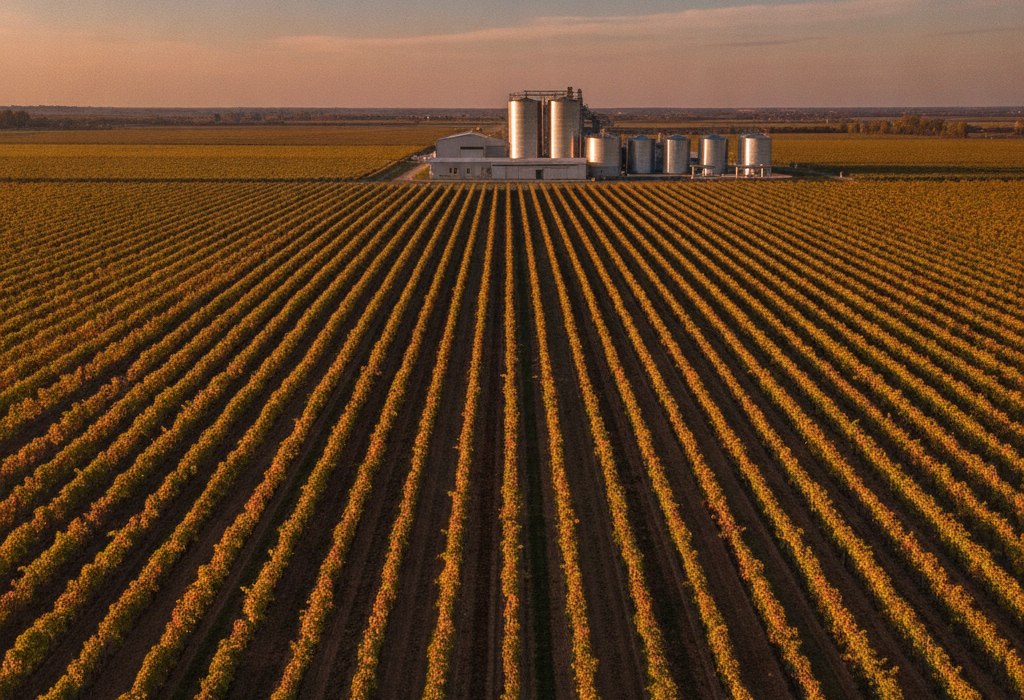
Živeli! Not every great wine story is about a boutique family plot — some are about scale, consistency, and putting a decent glass within reach of an entire country. Rubin was founded in 1955 in Kruševac, central Serbia, with a clear mission: build up viticulture and wine production in the region on an industrial footing.
Rubin Prokupac
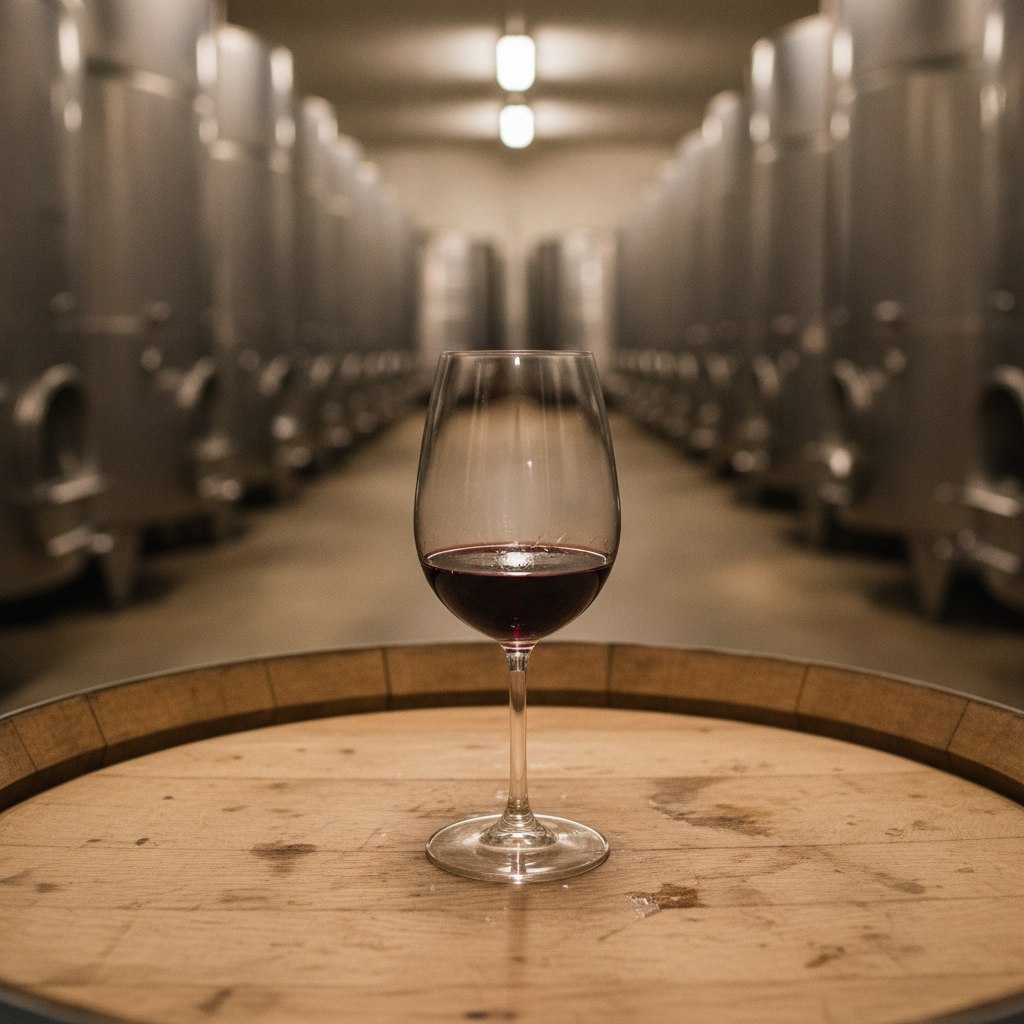
12.5% ABVIt worked. By 1961, Rubin's Vinjak brandy had already won the Grand Prix in Ljubljana, the first of what would become hundreds of medals and championship trophies over the following decades. The company built one of the strongest distribution networks in the country and became, by most measures, Serbia's largest producer of grapes, wine, and spirits.
Seven decades on, Rubin remains a fixture of everyday Serbian wine drinking — the reliable bottle on the table rather than the rare find you hunt down. Let's look at what's actually in the glass.
From Postwar Cooperative to National Producer: The History of Rubin
Rubin was established in 1955 in Kruševac with a straightforward industrial goal: develop viticulture in the surrounding region and put Serbian wine and spirits production on a larger, more organised footing. Within just two years, in 1957, the company launched Rubinov Vinjak — a grape brandy that would go on to define the brand internationally.
The Vinjak's first Grand Prix win came in Ljubljana in 1961, and the medals kept coming from there — hundreds of gold medals and championship trophies across domestic and international competitions over the following decades. In the 1960s, Rubin began bottling its own products directly and built out a distribution network strong enough to make it a household name across the country.
More than sixty years later, Rubin remains the largest producer of grapes, wine, and spirits in Serbia — a scale that inevitably shapes the kind of wine it makes: reliable, well-priced, and built for everyday drinking rather than cellar-worthy prestige.
The Taste: Six Varietals, Built for the Table
Rubin's varietal range is straightforward — three whites and three reds, made to be poured often rather than saved for a special occasion:
- Prokupac: An accessible take on Serbia's own indigenous red grape — light spice, red berry fruit, and an easy-drinking style.
- Cabernet Sauvignon and Pinot Noir: Solid, honest reds that punch well above their price point.
- Chardonnay, Sauvignon Blanc, and Muscat Ottonel: A clean, approachable trio of whites rounding out the range.
- Rubinov Vinjak: Not a wine but the company's most famous product — a grape brandy with hundreds of international medals to its name.
More Than Wine: Rubin's Place in Serbian Drinking Culture
- A national-scale producer: As Serbia's largest wine and spirits company, Rubin's bottles are among the most widely poured in the country, not the rarest.
- A decorated brandy house: The Vinjak's medal count, starting with that 1961 Ljubljana Grand Prix, gave the brand credibility well beyond Serbia's borders.
- A counterpoint to boutique wineries: Rubin represents the industrial, accessible end of Serbian wine — the everyday counterpart to the small family estates reviving indigenous grapes.
Perfect Pairings: Enjoying Rubin Wines with Everyday Serbian Food
These are wines meant for the weeknight table, not a tasting menu:
- Prokupac: Pairs easily with grilled ćevapi, pljeskavica, or a simple roast chicken.
- Cabernet Sauvignon: A good match for grilled red meat and hard cheeses.
- Chardonnay or Sauvignon Blanc: Serve alongside freshwater fish or a light chicken dish.
Finding Rubin Wines
- Across Serbia: As the country's largest producer, Rubin wines and Vinjak are stocked in almost every supermarket and corner shop nationwide.
- At the source: The Kruševac facility has decades of production history — check rubin.rs for current visitor information.
- Internationally: Rubinov Vinjak in particular has a long export history across the region and beyond.
Živeli uz Rubin! To the bottle that's probably already in half the kitchens in Kruševac.